Key Takeaways
- 01
WhatsApp AI chatbots recover abandoned carts faster than any other channel. - 02
Personalized messages with product details dramatically improve cart recovery rates. - 03
Automating cart recovery saves time, reduces costs, and increases revenue significantly. - 04
Businesses of all sizes can deploy WhatsApp chatbots without technical expertise.
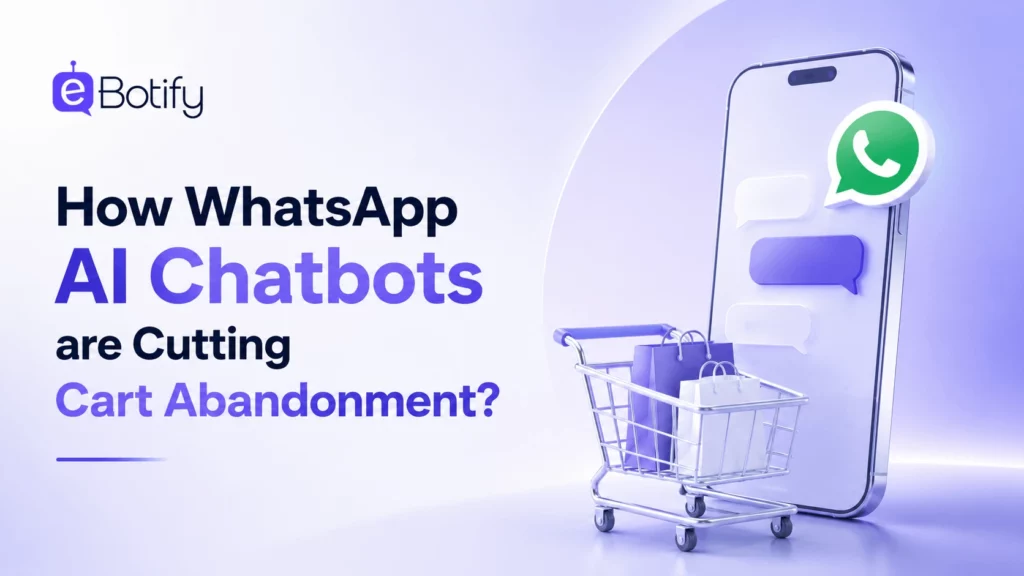
Cart abandonment is silently draining revenue from e-commerce businesses every single day. A WhatsApp AI chatbot engages shoppers instantly before they leave without buying. Brands using this tool recover lost carts and boost conversions significantly. Smart automation is now transforming how online stores retain hesitant customers effectively.
Shoppers abandon carts because they face unanswered questions and poor checkout experiences. AI-powered chatbots send timely reminders and resolve doubts in real time. Businesses that act fast on abandonment signals win back customers before competitors do. In this blog, we will explore how WhatsApp AI chatbots cut cart abandonment and drive more sales. So, let’s keep reading further!
Why Do Shoppers Abandon Their Carts?
Shoppers abandon carts due to unexpected fees, friction-heavy checkouts, and casual browsing. Most abandonments stem from high extra costs, forced account creation, and complex multi-step forms.
1. Unexpected Shipping Costs
Shoppers feel deceived when hidden fees appear at checkout unexpectedly. High shipping costs push even interested buyers to leave immediately.
2. Forced Account Creation
Mandatory sign-ups frustrate shoppers who want a quick purchase experience. Many buyers choose competitors who offer a seamless guest checkout option.
3. Slow or Confusing Checkout
A lengthy checkout process kills buyer momentum and increases drop-off rates. Shoppers abandon carts when navigation feels unclear or unnecessarily complicated.
4. Unanswered Product Questions
Buyers leave when they cannot find quick answers about product details. Real-time support keeps hesitant shoppers engaged and moving toward purchase completion.
5. Lack of Trust Signals
Shoppers distrust websites that display no reviews, badges, or secure payment icons. Visible trust signals reassure buyers and significantly reduce last-minute checkout hesitation.
How WhatsApp AI Chatbots Recover Abandoned Carts?
A cart abandonment chatbot reaches shoppers instantly before they finalize their decision to leave. Businesses use smart automation to re-engage hesitant buyers and bring them back to checkout. Here are the key ways WhatsApp AI bots recover abandoned carts and boost your revenue:
1. Instant Automated Triggers
An ecommerce chatbot WhatsApp detects exactly when a shopper drops off during checkout in real time. It automatically fires a tailored recovery message within 30 to 60 minutes at peak impact.
2. Hyper-Personalized Messages
The chatbot dynamically injects the customer’s name and exact abandoned product details into every message. This personalization makes each conversation feel relevant, timely, and impossible to ignore.
3. Rich Media Product Previews
Chatbots send images, videos, or PDFs of the exact item the shopper left behind. Visual reminders reignite purchase intent and push hesitant buyers back toward completing their order.
4. One-Tap Return to Checkout
The chatbot embeds interactive CTA buttons that open the shopper’s pre-filled cart instantly. Buyers return to checkout in one tap without navigating through the entire store again.
5. High Visibility Reminders
WhatsApp messages land directly in personal chats, unlike emails buried inside promotions tabs. Every recovery message the chatbot sends actually reaches and gets read by the shopper.
6. Real-Time Objection Handling
Shoppers reply directly inside the chat when they have doubts about sizing, shipping, or returns. The AI instantly resolves every concern and removes the last barrier before purchase.
7. Automated Incentive Delivery
The bot autonomously offers a limited-time discount, free shipping, or a promo code inside the chat. This well-timed nudge converts hesitant buyers who need one final reason to purchase.
8. In-Chat Checkout Completion
Advanced AI bots allow shoppers to finalize shipping details and process payments entirely inside WhatsApp. Buyers complete the full purchase without ever leaving the chat thread.
Must Know Insights:
- WhatsApp chatbots have already saved 2.5 billion hours globally.
- WhatsApp chatbots generate 5X more leads than traditional channels.
- AI chatbots automate up to 80% of routine customer inquiries.
- WhatsApp automation is projected to save 7 billion hours by 2026.
- WhatsApp automation cuts customer support costs by around 30%.
How Do Businesses Deploy WhatsApp Chatbots for Cart Recovery?
Businesses are embracing conversational commerce to turn abandoned carts into completed purchases effortlessly. A well-configured WhatsApp AI chatbot gives your store a powerful edge over competitors losing revenue daily. Here are the key steps to set up your WhatsApp AI bot for cart recovery:
Step 1: Connect the WhatsApp Business API
Businesses access the WhatsApp Business API through a Meta-approved Business Solution Provider. This connection enables brands to send automated recovery messages to shoppers at scale.
Step 2: Integrate Your E-commerce Platform
The e-commerce platform tracks cart activity and flags sessions where buyers exit before completing payment. This integration ensures no abandoned cart goes unnoticed or unaddressed.
Step 3: Map Your Trigger Flow
Businesses connect the chatbot to their e-commerce platform so it detects cart activity and auto-triggers messages. A well-mapped trigger flow ensures shoppers receive recovery messages at the right moment.
Step 4: Build Personalized Templates
The chatbot greets customers by name and reminds them of exact items left in the cart. Personalized templates improve response rates and push hesitant buyers toward checkout completion.
Step 5: Enable Automation Sequences
Brands run multi-step recovery sequences without any manual intervention from their team. Automated messages sent at thoughtful intervals keep shoppers engaged without feeling spammy.
Step 6: Monitor and Optimize
Businesses track open rates, recovery rates, and conversion data continuously. Teams refine and improve their chatbot strategy based on real performance insights.
Drawbacks At a Glance
- Data Privacy – AI interactions send user queries to external servers, risking exposure.
- Platform Restrictions – WhatsApp API policies heavily restrict third-party AI chatbot experiences.
- Message Limitations – Strict character limits make delivering complex AI responses frustrating for users.
- AI Hallucinations – Chatbots often invent facts, causing serious harm in sensitive business situations.
- No Emotional Intelligence – AI cannot genuinely empathize or handle emotionally charged customer complaints effectively.
- High Maintenance – Building and maintaining AI bots requires constant monitoring, training, and bug fixing.
Ready to Stop Losing Sales to Abandoned Carts?
WhatsApp AI chatbots are transforming how e-commerce brands recover lost revenue and re-engage shoppers. Businesses using smart automation win back hesitant buyers before competitors do. A well-configured WhatsApp chatbot turns every abandoned cart into a second chance for conversion.
Every meaningful customer conversation starts with the right conversational tool driving it forward. eBotify delivers remarkably humanized chatbots that engage audiences, convince prospects, and support customers through intelligent dialogue. Build your own powerful WhatsApp bot with eBotify and start recovering abandoned carts today.
Frequently Asked Questions
1. Does WhatsApp cart recovery work for small businesses too?
Absolutely. Small businesses benefit the most because WhatsApp automation is cost-effective and easy to set up through a BSP. You do not need a big tech team to start recovering lost carts and boosting revenue.
2. How many follow-up messages should I send before stopping?
Stick to two or three messages maximum. Send the first within an hour, the second after 24 hours, and a final one with an incentive at 48 hours. Sending more risks getting blocked completely.
3. Can I use WhatsApp cart recovery without a developer?
Yes. Platforms like eBotify let you build and deploy WhatsApp chatbots without writing a single line of code. Most BSPs offer no-code setups with ready-made templates you can launch quickly.
4. What is the best time to send a cart recovery message?
Send the first message within 30 to 60 minutes of abandonment while purchase intent is still high. Timing is everything on WhatsApp because buyers move on fast after leaving your store.
5. Will customers find WhatsApp recovery messages intrusive?
Not if done right. Customers who opted in expect relevant communication from your brand. Personalized, well-timed messages feel helpful rather than pushy and actually improve the overall shopping experience significantly.