Key Takeaways
- 01
AI chatbots engage B2B buyers, answer initial questions, and identify potential sales opportunities. - 02
Relevant qualification questions help sales teams prioritize prospects based on business fit and purchase intent. - 03
Early risk detection helps teams address delays and budget concerns before they escalate. - 04
They offer proactive insights by connecting data across multiple platforms, unlike static traditional tools. - 05
Benefits are significant, but trust, skill gaps, and data privacy remain key challenges to address.
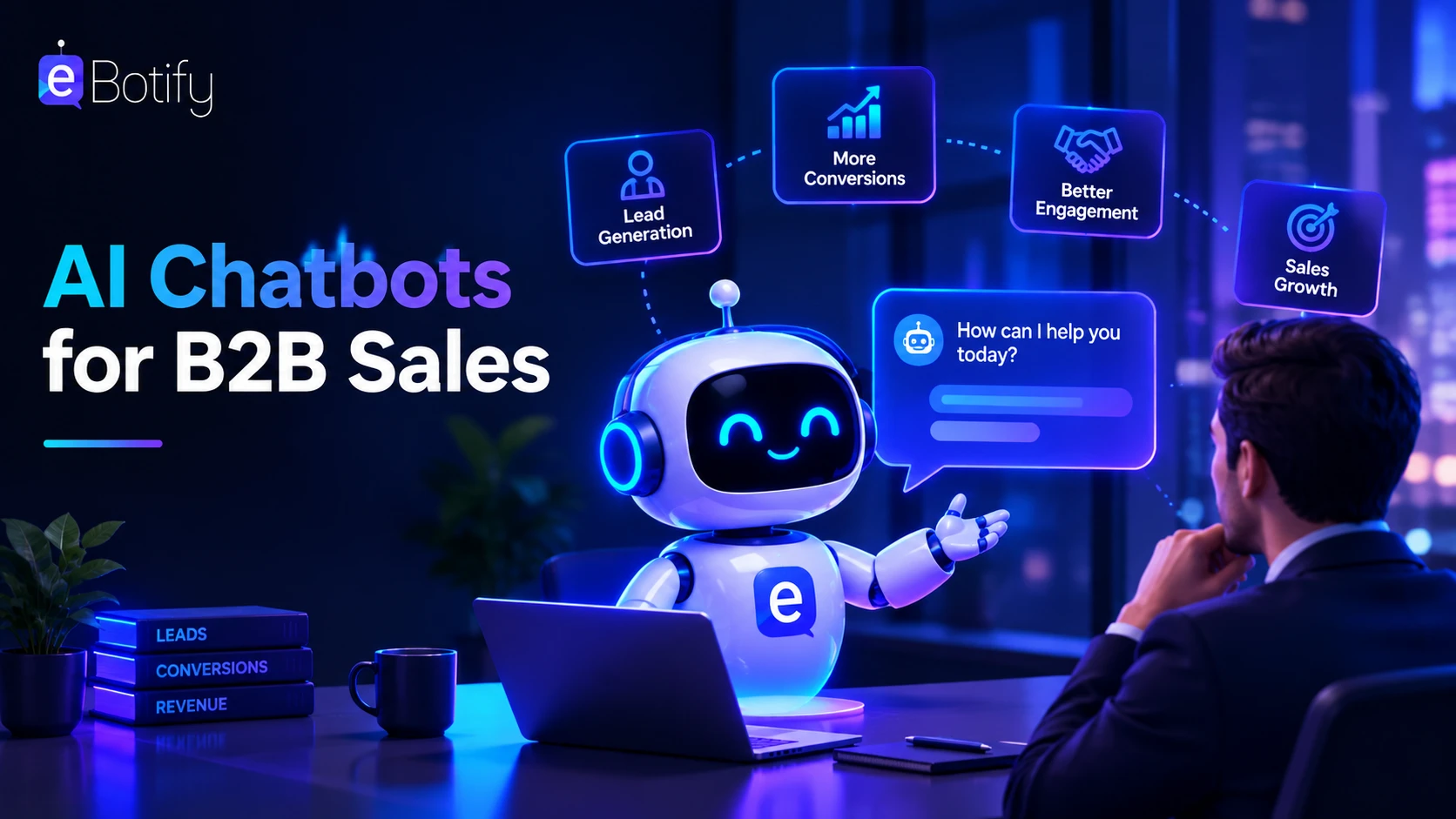
B2B sales teams often lose promising prospects before a meaningful conversation even begins. Delayed responses, lengthy enquiry forms, and missed website interactions can push potential buyers toward competing vendors. An AI chatbot for B2B sales helps businesses engage visitors instantly, understand their requirements, answer initial questions, and identify potential customers while purchase intent remains high.
However, capturing contact details alone does not create sales opportunities. Businesses need to understand buyer intent, assess lead quality, and connect qualified prospects with the right sales representatives. In this blog, we explore how AI chatbots strengthen B2B lead generation, automate qualification, and help sales teams convert conversations into meaningful opportunities.
What Is an AI Chatbot for B2B Sales?
An AI chatbot for B2B sales is a conversational tool that helps businesses engage potential buyers, understand their requirements, and identify sales opportunities through automated interactions. It can answer product questions, collect relevant business information, assess buyer intent, and guide prospects toward suitable next steps.
Unlike traditional chatbots that rely on fixed scripts and predefined responses, AI-powered chatbots can interpret natural language and adapt conversations to the information prospects provide. This makes interactions more relevant, especially when business buyers have different requirements, budgets, and purchasing timelines.
For B2B companies, the real value lies in connecting these conversations with the sales process. A chatbot can ask qualification questions, capture lead details, recommend relevant resources, and direct promising prospects to the appropriate sales representative. When integrated with customer relationship management (CRM) systems, it can also transfer conversation details and support timely follow-ups.
This helps sales teams spend less time handling repetitive enquiries and more time evaluating opportunities, understanding business challenges, and building relationships with potential customers.
How Do AI Chatbots Support the B2B Sales Journey?
A B2B sales process involves several stages before a prospect becomes a qualified lead. An AI sales chatbot helps businesses manage these early interactions, understand buyer needs, and guide potential customers toward the right next step.
1. Engage Website Visitors
A B2B chatbot responds to visitors exploring product pages, pricing, or services. It answers initial questions and encourages interested prospects to continue the conversation.
2. Understand Buyer Intent
An AI sales chatbot identifies what prospects want to achieve through their questions and responses. This helps businesses distinguish early-stage research from genuine purchasing interest.
3. Identify Business Requirement
The chatbot asks relevant questions about business challenges, company needs, and intended use cases. These details help sales teams understand whether their offerings match the prospect’s requirements.
4. Qualify Potential Leads
A B2B chatbot evaluates information such as company size, budget expectations, and purchasing timelines against predefined qualification criteria. It helps prioritize promising prospects for sales follow-up.
5. Connect Prospects with Sales Teams
When a prospect is ready for the next step, the chatbot can offer a meeting or connect them with a sales representative. Sharing conversation details helps representatives continue discussions with better context.
6. Support Follow-Up Activities
An AI sales chatbot can pass lead information to connected CRM systems and trigger relevant follow-up workflows. This helps reduce manual tasks and keeps promising opportunities moving through the sales pipeline.
How a B2B Chatbot Qualifies Leads Without Creating Friction
Effective lead qualification helps sales teams focus on prospects who match their ideal customer profile. A B2B chatbot can gather essential details through short, relevant conversations without overwhelming potential buyers.
1. Define Ideal Customer Profiles
Identify target industries, company sizes, and business needs. Use these criteria to assess lead suitability.
2. Ask Relevant Questions
Collect information about business challenges, budgets, and purchasing timelines. Keep questions brief and focused on sales decisions.
3. Adapt to Buyer Intent
Adjust follow-up questions according to each prospect’s responses. Avoid forcing every visitor through the same scripted conversation.
4. Assess Lead Readiness
Evaluate business fit, urgency, and purchasing intent together. Prioritize prospects who demonstrate a clear need and readiness to proceed.
5. Route Qualified Leads
Connect suitable prospects with the appropriate sales representative. Direct early-stage buyers toward relevant resources or nurturing workflows.
Key Benefits of AI Chatbots for B2B Sales Teams
A well-implemented AI chatbot helps teams handle incoming enquiries and identify promising opportunities. It also reduces repetitive work and supports a smoother buying experience.
1. Faster Lead Response
Respond to enquiries instantly, including outside business hours. Keep potential buyers engaged while their interest is high.
2. Consistent Lead Qualification
Apply the same qualification criteria across conversations. Help sales teams prioritize suitable prospects.
3. Improved Sales Productivity
Automate repetitive questions and preliminary data collection. Give representatives more time for meaningful sales conversations.
4. Better Lead Capture
Let visitors share their requirements through conversational interactions. Reduce reliance on lengthy enquiry forms.
5. Personalized Buyer Experiences
Tailor responses to each prospect’s questions and business needs. Guide buyers toward relevant information and next steps.
6. Stronger Team Alignment
Share useful lead details between marketing and sales teams. Support better follow-ups with clearer buyer context.
Integrating an AI Sales Chatbot with Your CRM and Sales Workflow
Connecting a chatbot with existing sales systems helps turn conversations into actionable lead records. For effective B2B lead generation, these integrations keep prospect information organized and support timely follow-ups.
1. CRM Data Synchronization
Transfer contact details and qualification responses directly into the CRM. Reduce manual data entry and missing information.
2. Automated Lead Assignment
Route prospects based on industry, location, or business needs. Help the right sales representative follow up promptly.
3. Sales Notifications
Alert representatives when prospects meet qualification criteria. Help teams respond to promising opportunities without unnecessary delays.
4. Meeting Scheduling
Allow qualified prospects to book sales consultations directly. Reduce the back-and-forth involved in arranging meetings.
5. Conversation History
Store relevant chatbot interactions alongside lead records. Help sales representatives understand buyer requirements before making contact.
6. Automated Follow-Ups
Trigger suitable follow-up actions based on conversation outcomes. Keep prospects engaged without requiring every step to be managed manually.
Best Practices for Using AI Chatbots in B2B Sales
A successful chatbot strategy starts with clear sales goals and a useful buyer experience. These practices help businesses improve qualification while making sales automation more effective.
1. Set Clear Qualification Criteria
Define what makes a prospect suitable for your business. Align chatbot questions with these requirements.
2. Use Accurate Business Information
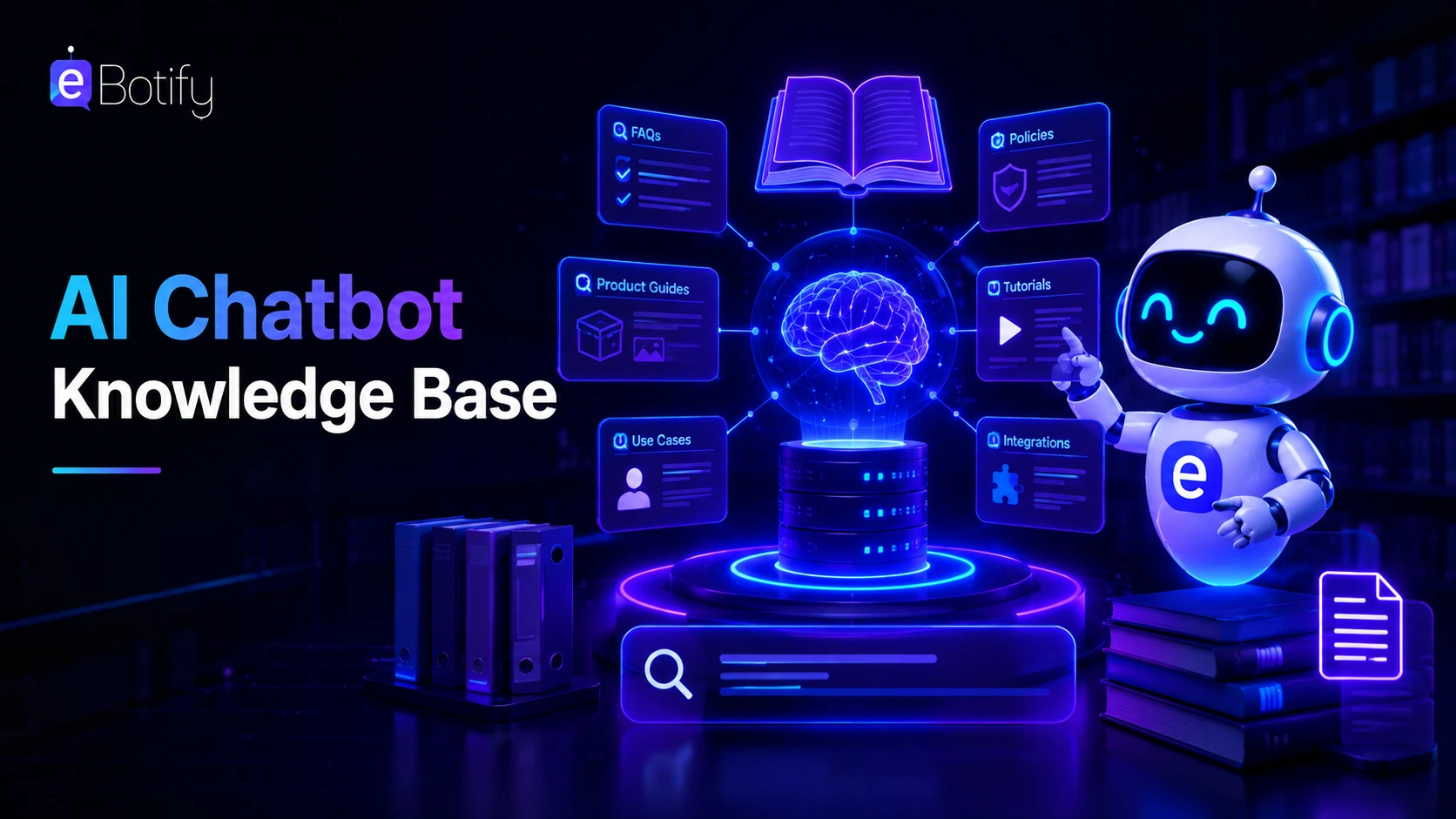
Train the chatbot on current product details, pricing, and service information. Review its responses regularly to prevent misleading answers.
3. Keep Conversations Short
Ask only questions that help identify buyer needs and readiness. Avoid overwhelming prospects with lengthy questionnaires.
4. Enable Human Handoffs
Give prospects a clear way to reach a sales representative. Escalate complex enquiries and high-value opportunities when needed.
5. Protect Prospect Data
Collect only the information necessary for the sales process. Follow applicable privacy requirements and data-handling policies.
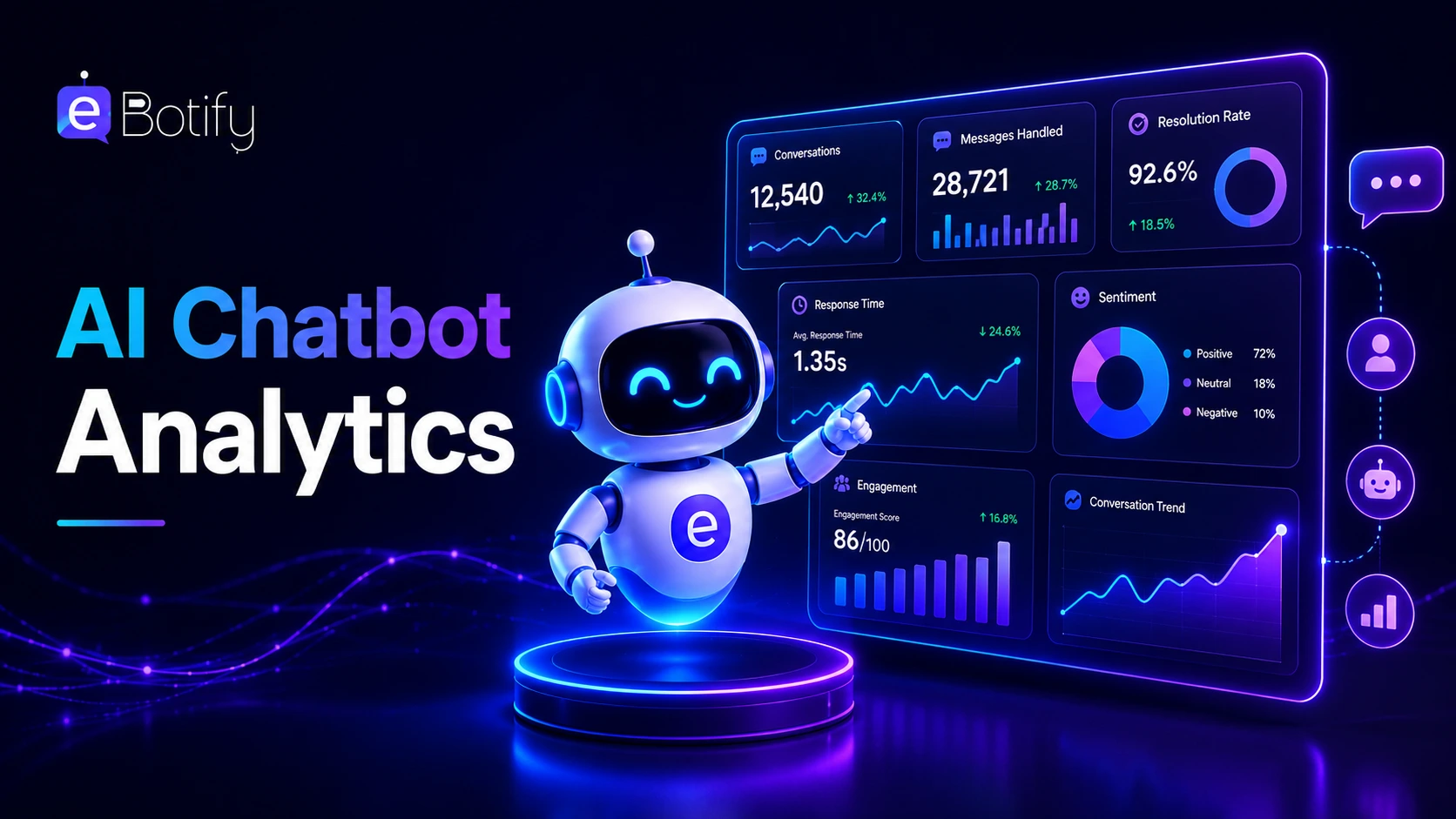
6. Review Chatbot Performance
Analyze conversations to identify unanswered questions and qualification gaps. Use these insights to improve responses and lead routing.
How to Measure AI Chatbot Performance in B2B Sales?
Tracking the right metrics helps businesses understand whether chatbots contribute to sales outcomes. Focus on lead quality and conversion progress, not conversation volume alone.
1. Visitor Engagement Rate
Measure how many website visitors start a conversation. This indicates whether the chatbot attracts attention.
2. Lead Capture Rate
Track conversations that generate usable contact details. This shows how effectively the chatbot captures potential leads.
3. Lead Qualification Rate
Measure the proportion of captured leads meeting your qualification criteria. This helps assess the relevance of incoming prospects.
4. Sales Acceptance Rate
Track how many chatbot-qualified leads sales representatives accept. This reveals whether qualification aligns with sales expectations.
5. Meeting Conversion Rate
Measure how many relevant conversations result in booked meetings. This shows how effectively the chatbot moves prospects forward.
6. Pipeline Contribution
Track sales opportunities associated with chatbot interactions. This helps connect chatbot activity with potential business value.
Ready to Turn B2B Conversations Into Qualified Leads?
AI chatbots help B2B businesses engage prospects, understand buyer intent, and identify promising sales opportunities. With effective qualification, CRM integration, and timely follow-ups, businesses can reduce manual work and help sales teams focus on leads that align with their goals.
eBotify offers chatbot development services to help businesses create conversational experiences aligned with their sales processes. With the right chatbot strategy, your business can improve lead handling, support sales teams, and create smoother buyer journeys.
Frequently Asked Questions
1. How can businesses prevent AI chatbots from qualifying unsuitable B2B leads?
Define clear qualification criteria based on company fit, business needs, budget, and purchasing timelines, then review lead quality regularly.
2. Can an AI chatbot for B2B sales support a long buying cycle?
Yes. It can answer recurring questions, share relevant resources, capture changing requirements, and support follow-ups as prospects move toward purchasing decisions.
3. What happens when a prospect needs answers beyond the chatbot’s knowledge?
The chatbot should acknowledge its limitations and connect the prospect with a sales representative who can provide accurate, relevant guidance.
4. How can sales teams determine if chatbot-generated leads are valuable?
Compare sales acceptance rates, qualified meetings, opportunity creation, and pipeline contribution rather than relying on conversation volume alone.
5. Should B2B companies replace their existing lead forms with chatbots?
Not necessarily. Chatbots can complement lead forms by offering interactive qualification, while forms remain useful for visitors who prefer a straightforward submission process.