
Key Takeaways
- 01
Chatbots for marketing help businesses engage visitors, answer questions, collect lead information, and guide potential customers toward relevant next steps. - 02
Effective chatbot marketing strategies combine useful conversations, lead qualification, personalization, and timely follow-ups. - 03
AI chatbots for marketing can support customer engagement across websites, messaging channels, campaigns, and sales workflows. - 04
Integrating chatbots with CRM and marketing tools helps teams organize lead data, coordinate follow-ups, and evaluate campaign performance. - 05
Businesses should measure chatbot success through meaningful outcomes such as qualified leads, completed actions, customer satisfaction, and conversions.
Marketing campaigns can attract visitors to a website, but getting those visitors to take the next step is often the harder part. Potential customers may have questions about pricing, product features, delivery, or service options. If they cannot find relevant answers quickly, they may leave without submitting a form or contacting the sales team.
Chatbots for marketing give businesses another way to engage these visitors through interactive conversations. Instead of relying entirely on static forms and landing pages, companies can answer questions, understand customer needs, collect relevant details, and guide people toward suitable actions. When designed around the customer journey, chatbots can complement existing marketing campaigns and help businesses make better use of the attention those campaigns generate.
What are Chatbots for Marketing?
Chatbots for marketing are conversational tools that help businesses interact with potential and existing customers across digital channels. They can answer product questions, recommend relevant information, collect lead details, explain offers, and guide users toward actions such as booking a demonstration, requesting a quotation, or exploring a product.
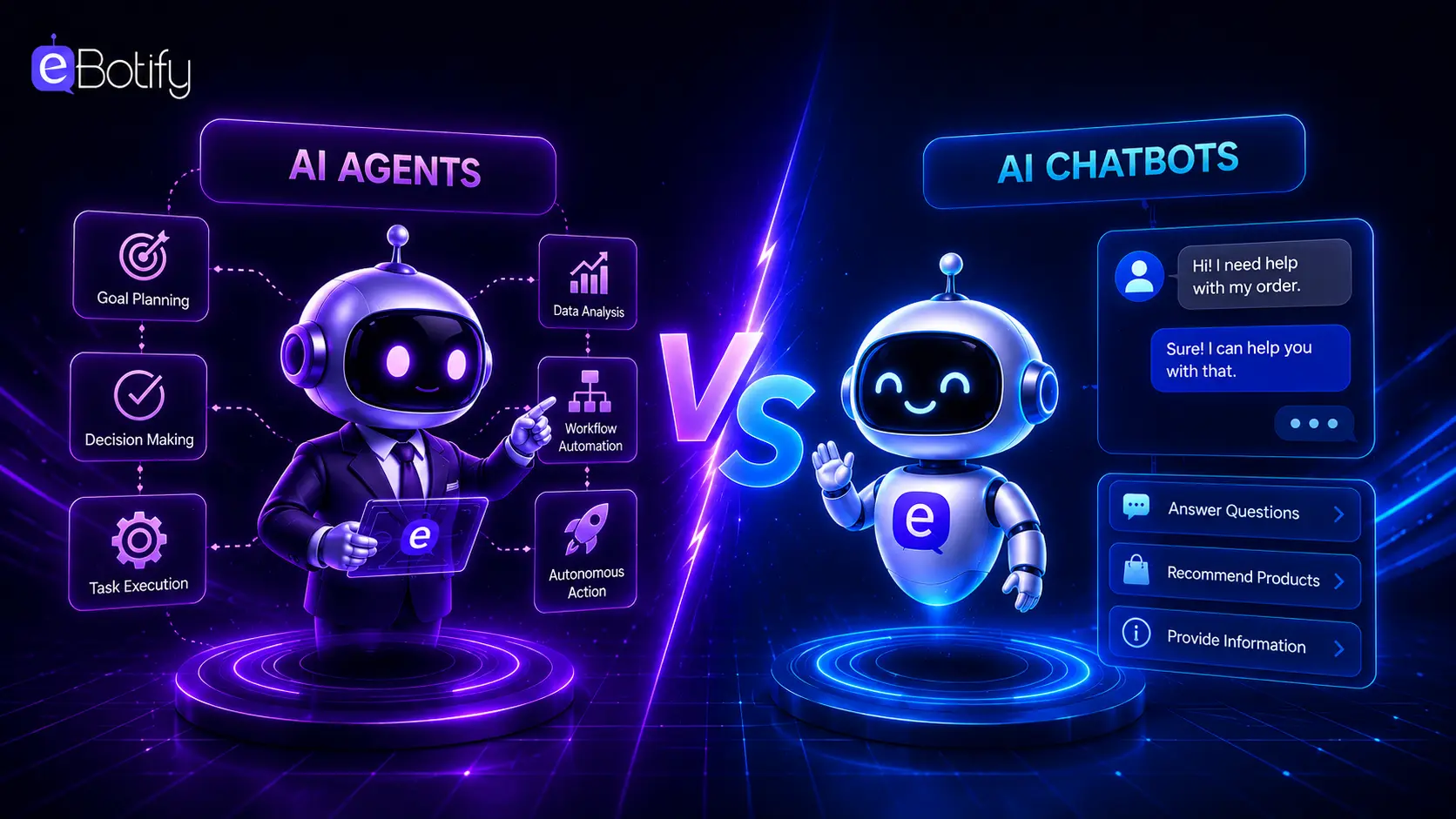
Traditional chatbots often use predefined rules and conversation paths. AI chatbots for marketing can also use natural language processing and generative AI to interpret a wider range of questions and produce context-aware responses. Their capabilities depend on the model, available information, integrations, and safeguards configured by the business.
For example, a visitor exploring a software company’s website might ask whether a product supports a particular integration. A chatbot can answer using approved product information and, if appropriate, ask whether the visitor would like to speak with the sales team. This creates a more direct path between customer interest and the next marketing or sales action.
How Chatbot Marketing Strategies Support the Customer Journey?
Effective chatbot marketing strategies focus on what customers need at different stages of their decision-making process. A first-time visitor may need basic information, while someone comparing plans may want pricing details or a product demonstration.
| Customer Journey Stage | Chatbot Role | Example Action |
|---|---|---|
| Awareness | Answer introductory questions and explain offerings. | Share relevant product or service information. |
| Consideration | Help visitors compare options and understand features. | Recommend a suitable plan or resource. |
| Lead generation | Collect relevant information and identify customer needs. | Capture a qualified inquiry. |
| Conversion | Address final questions and guide the next step. | Schedule a consultation or direct users to checkout. |
| Retention | Provide product guidance and relevant support. | Help customers find answers after purchase. |
The key is to make each conversation useful. A chatbot should not push every visitor toward the same call to action. Its questions and recommendations should reflect the customer’s intent and the information needed to help them move forward.
7 Chatbot Marketing Strategies to Generate Leads and Increase Conversions
1. Engage Website Visitors at the Right Moment
A chatbot can give visitors a convenient way to ask questions while they are exploring a product or service. Instead of displaying an intrusive message immediately, businesses can introduce assistance at relevant points, such as a pricing page, product page, or service information section.
For example, a visitor comparing service packages might need clarification about features or implementation. A chatbot can answer common questions and offer to connect the visitor with a specialist if additional guidance is needed.
This approach makes chatbot customer engagement more relevant because the conversation responds to the visitor’s likely needs rather than interrupting their browsing experience.
2. Use Chatbots for Lead Generation
Chatbots for lead generation can collect information through a conversation instead of relying only on a traditional contact form. Depending on the business, the chatbot might ask about a visitor’s requirements, company type, preferred service, budget range, or project timeline.
The questions should be limited to information that genuinely helps the next step. Asking for too many details too early can discourage visitors from continuing.
Once a visitor shares relevant information, the chatbot can direct the inquiry to a sales representative or send the details to a connected CRM. This gives the team useful context for follow-up conversations.
3. Personalize Conversations With AI
Personalized marketing with AI chatbots allows businesses to tailor responses to a customer’s stated preferences, current questions, or relevant information they have permission to use.
An online retailer, for instance, could use a chatbot to help shoppers narrow down products based on size, price range, or intended use. A B2B company might ask about a prospect’s business needs before sharing the most relevant service information.
Personalization should make the experience more useful without making customers feel that their information is being used unexpectedly. Businesses should provide appropriate transparency and respect privacy preferences.
4. Connect Chatbots With Marketing Automation
Marketing automation chatbots can connect conversations with existing marketing workflows. When a visitor requests a guide, subscribes to updates, or expresses interest in a service, the chatbot may pass relevant details to an email marketing platform or CRM, depending on the integrations available.
This can help teams organize leads, segment contacts based on their expressed interests, and coordinate appropriate follow-ups. Automated messages should remain relevant to the original interaction and follow applicable consent requirements.
5. Support Marketing Campaigns With Interactive Conversations
Chatbot marketing campaigns can give audiences a more interactive way to respond to promotions, product launches, event announcements, or educational content. Instead of directing every visitor to a general landing page, a campaign can lead to a conversation that answers questions and guides the next step.
For example, a company promoting a webinar could use a chatbot to explain the topic, answer questions about the intended audience, and direct interested visitors to the registration process.
The conversation should stay aligned with the campaign’s message. If the chatbot cannot answer a specific question, it should offer a reliable resource or a route to the appropriate team.
6. Reduce Friction in the Conversion Process
Chatbot conversion optimization focuses on identifying questions or obstacles that prevent visitors from completing an action. These may include uncertainty about pricing, unclear product features, confusion about a signup process, or difficulty finding the right service.
A chatbot can address these issues by providing relevant information and guiding visitors through the next step. However, it should not pressure users into converting or make unsupported claims about a product or offer.
Businesses can test different conversation prompts, questions, and calls to action to understand which approaches help users complete their intended tasks.
7. Connect Marketing Conversations With Sales Teams
Chatbots for sales and marketing can help create a smoother transition between initial interest and direct sales engagement. A chatbot may identify a prospect’s needs, answer basic questions, and collect the information a sales representative needs before following up.
For higher-value products or complex services, the chatbot can offer a meeting or demonstration rather than attempting to handle the entire sales process. Sharing the conversation summary with the sales team can also reduce the need for prospects to repeat information.
Chatbot Marketing Examples Across Different Industries
The most useful chatbot marketing examples reflect the questions customers already ask and the decisions they need to make. The same chatbot approach can serve different purposes depending on the industry and customer journey.
| Industry | Chatbot Marketing Example | Intended Outcome |
|---|---|---|
| Ecommerce | Help shoppers find products and understand delivery or return policies. | Support purchase decisions. |
| SaaS and technology | Answer feature questions and qualify demo requests. | Identify relevant sales opportunities. |
| Education | Explain courses, eligibility requirements, and application steps. | Help prospective students find suitable programs. |
| Travel and hospitality | Answer questions about packages, amenities, and reservations. | Guide inquiries toward bookings. |
| Professional services | Collect project requirements and route inquiries to specialists. | Organize consultation requests. |
These examples show why business chatbot marketing should be designed around a specific audience and objective. A chatbot for an online store may prioritize product discovery, while a B2B company may focus on qualifying leads and scheduling meetings.
How to Measure Chatbot Marketing Performance
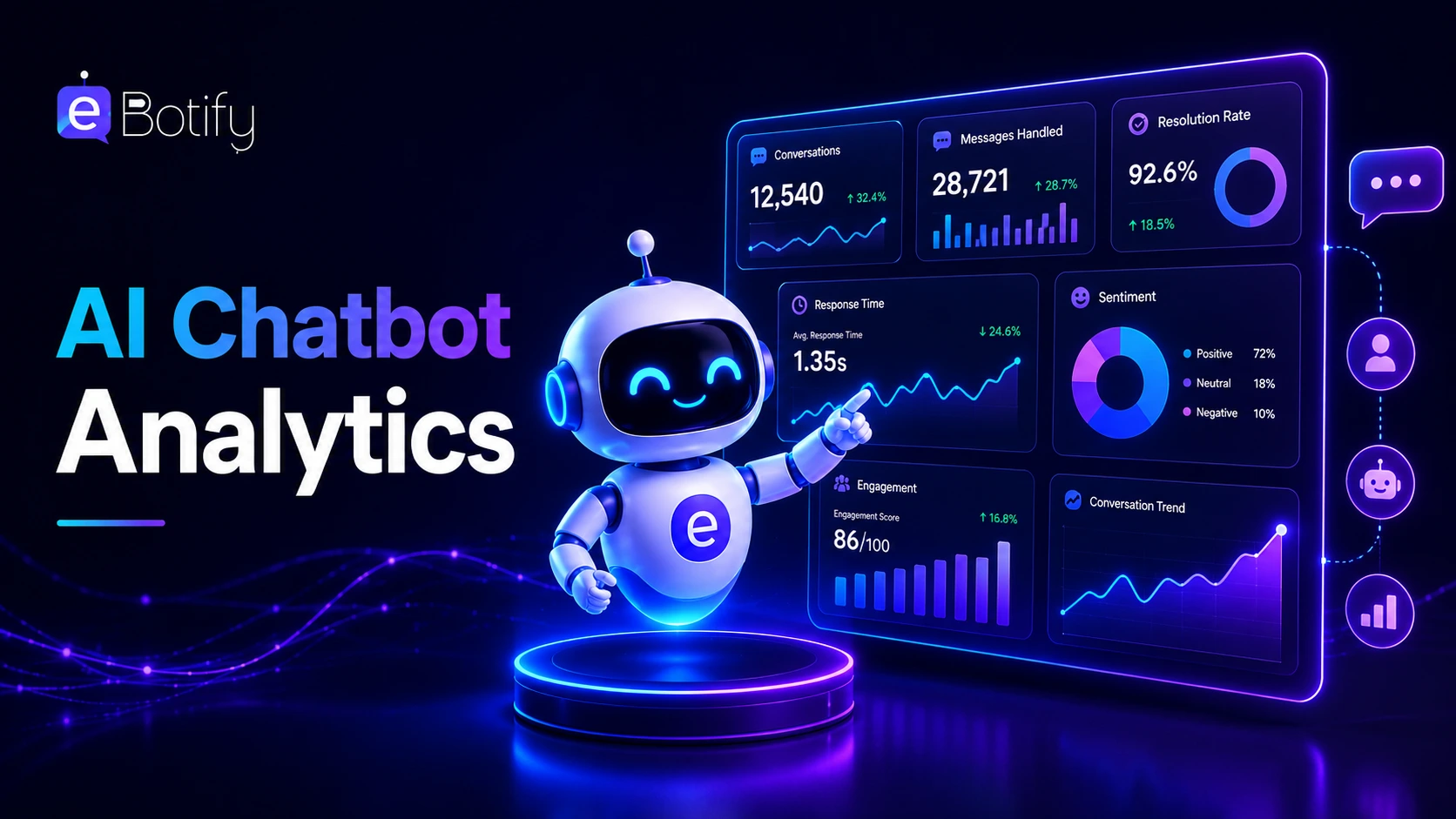
A chatbot can generate many conversations without necessarily producing useful marketing outcomes. Businesses should evaluate whether interactions help visitors find information, submit qualified inquiries, complete actions, or receive a better customer experience.
| Metric | What It Measures | Why It Matters |
|---|---|---|
| Engagement rate | The share of visitors who interact with the chatbot. | Shows whether visitors use the conversational experience. |
| Lead completion rate | The share of relevant conversations that result in submitted lead details. | Helps assess the lead capture process. |
| Lead qualification rate | The share of captured leads that meet defined qualification criteria. | Helps evaluate lead relevance. |
| Conversion rate | The share of users who complete a defined target action. | Connects chatbot activity to business objectives. |
| Escalation rate | The share of conversations transferred to a human. | Helps identify gaps in automation or content. |
| Customer satisfaction | Feedback about the quality of the interaction. | Shows whether the experience is useful to customers. |
Metrics should be interpreted together. A low escalation rate is not automatically positive if customers are unable to reach a person when they need help. Similarly, a high engagement rate matters less if conversations do not resolve questions or support meaningful outcomes.
Challenges to Consider Before Implementing Marketing Chatbots
Marketing chatbots can improve how businesses engage visitors, but poor implementation can create friction. Inaccurate answers, repetitive questions, irrelevant prompts, and unclear handoff options may discourage customers rather than help them.
Businesses should also consider privacy and data handling. Lead information should be collected for clear purposes, protected appropriately, and managed according to applicable requirements. Automated follow-ups must respect communication preferences and consent rules.
Another consideration is integration quality. If a chatbot sends incomplete information to the CRM or fails to trigger the intended workflow, marketing and sales teams may still need to perform manual corrections. Testing the full process, from the first customer message to the final follow-up, helps reveal these issues before wider deployment.
Turn Marketing Conversations Into Meaningful Customer Actions
Chatbots for marketing can help businesses move beyond one-way communication by answering questions, collecting relevant information, and guiding customers toward useful next steps. From lead generation and personalized recommendations to campaign engagement and sales handoffs, the technology can support several stages of the customer journey.
The strongest results come from solving a clear problem rather than automating conversations for their own sake. Start with a relevant use case, provide accurate information, connect the tools needed for the workflow, and measure whether the experience helps customers complete their goals. Platforms such as eBotify can be evaluated as part of a broader strategy for chatbot-based customer engagement and business automation.
Explore eBotify to learn more about chatbot solutions and assess how conversational experiences could support your marketing and lead generation workflows.
Frequently Asked Questions
1. What are chatbots for marketing?
Chatbots for marketing are conversational tools that help businesses engage website visitors, answer product questions, collect lead information, share relevant content, and guide potential customers toward actions such as booking a demo or requesting a quote.
2. How do chatbots help generate leads?
Chatbots can ask relevant questions, collect contact details, identify customer needs, and route suitable prospects to sales teams. Connecting the chatbot to a CRM can help organize lead information and coordinate follow-ups.
3. What is the difference between chatbot marketing and conversational marketing?
Chatbot marketing uses automated conversational tools to engage and assist customers. Conversational marketing is the broader approach of using interactive, two-way communication to understand customer needs and guide them through the buying journey. Chatbots are one way to support that approach.
4. Can AI chatbots improve marketing conversions?
AI chatbots may support conversions by answering questions, reducing confusion, recommending relevant information, and guiding visitors through the next step. Their impact depends on the audience, conversation design, product offering, and overall customer journey.
5. What should businesses measure when using marketing chatbots?
Businesses can track engagement, lead completion, lead qualification, conversion rates, customer satisfaction, and escalation rates. The most relevant metrics depend on the chatbot’s primary objective and the actions it is designed to support.
26 Responses
Your article helped me a lot, is there any more related content? Thanks!
Can you be more specific about the content of your article? After reading it, I still have some doubts. Hope you can help me. https://accounts.binance.bh/en-NG/register/person?ref=YY80CKRN
Thank you for your sharing. I am worried that I lack creative ideas. It is your article that makes me full of hope. Thank you. But, I have a question, can you help me?
Thanks for sharing. I read many of your blog posts, cool, your blog is very good.
Your point of view caught my eye and was very interesting. Thanks. I have a question for you.
Can you be more specific about the content of your article? After reading it, I still have some doubts. Hope you can help me.
Thank you for your shening. I am worried that I lack creative ideas. It is your enticle that makes me full of hope. Thank you. But, I have a question, can you help me?
Your article helped me a lot, is there any more related content? Thanks! https://www.binance.bh/register?ref=GGYHGRE
Thanks for sharing. I read many of your blog posts, cool, your blog is very good. https://accounts.binance.bh/register/person?ref=JW3W4Y3A
Can you be more specific about the content of your article? After reading it, I still have some doubts. Hope you can help me.
Thanks for sharing. I read many of your blog posts, cool, your blog is very good. Otwórz konto na Binance
Your point of view caught my eye and was very interesting. Thanks. I have a question for you. 打开Binance账户
Can you be more specific about the content of your article? After reading it, I still have some doubts. Hope you can help me. 免费Binance账户
I don’t think the title of your article matches the content lol. Just kidding, mainly because I had some doubts after reading the article. https://accounts.binance.bh/register/person?ref=JW3W4Y3A
Thanks for sharing. I read many of your blog posts, cool, your blog is very good. https://accounts.binance.com/register/person?ref=IHJUI7TF
Your point of view caught my eye and was very interesting. Thanks. I have a question for you.
Your point of view caught my eye and was very interesting. Thanks. I have a question for you. https://accounts.binance.bh/pt/register-person?ref=KDN7HDOR
Your point of view caught my eye and was very interesting. Thanks. I have a question for you.
Can you be more specific about the content of your article? After reading it, I still have some doubts. Hope you can help me.
Your point of view caught my eye and was very interesting. Thanks. I have a question for you. https://www.binance.bh/register?ref=IHJUI7TF
Thanks for sharing. I read many of your blog posts, cool, your blog is very good. https://accounts.binance.bh/register/person?ref=IXBIAFVY
Thanks for sharing. I read many of your blog posts, cool, your blog is very good.
Can you be more specific about the content of your article? After reading it, I still have some doubts. Hope you can help me.
Thanks for sharing. I read many of your blog posts, cool, your blog is very good.
Thank you for your sharing. I am worried that I lack creative ideas. It is your article that makes me full of hope. Thank you. But, I have a question, can you help me?
Your article helped me a lot, is there any more related content? Thanks! https://accounts.binance.bh/register/person?ref=IXBIAFVY